See yourself in Japan: Highlights from an architectural study tour
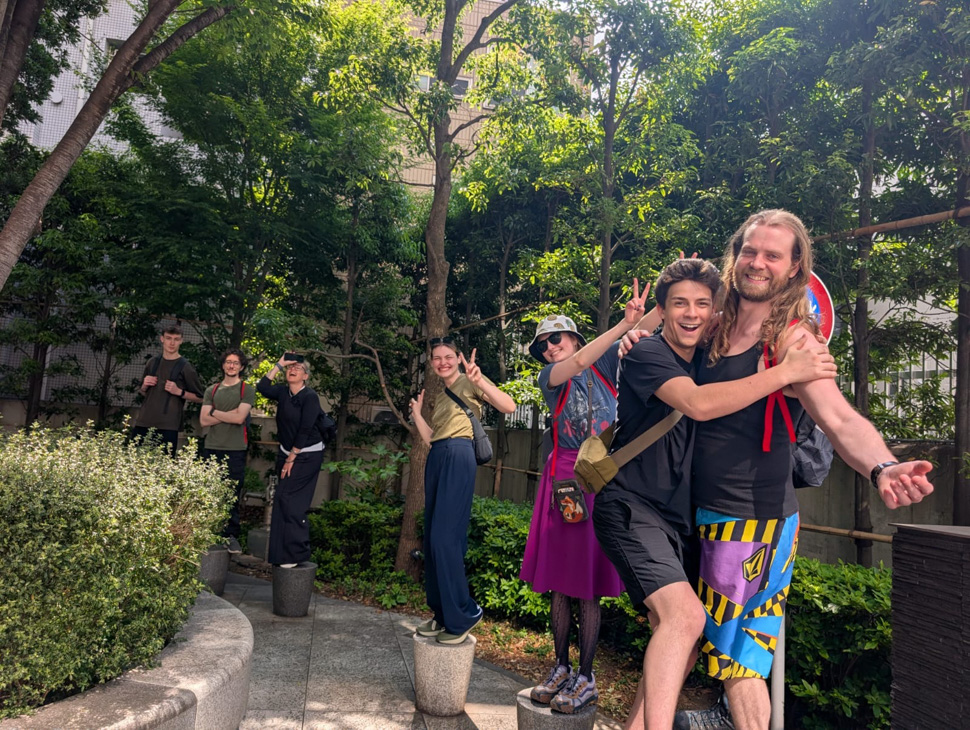
The School of Construction study tour included site visits, cultural experiences and collaborative learning in Tokyo, Osaka and Naoshima Island
To learn about architecture, engineering and construction in the classroom is one thing. To gaze up at sleek skyscrapers, marvel in awe of an ancient temple or experience the quiet wonder of a minimalist-style museum tucked away in nature is quite another.
It’s why School of Construction instructors Lisa Der-Jameson and Jill Jones planned and led a 12-day Study Abroad tour in Japan in May 2026.
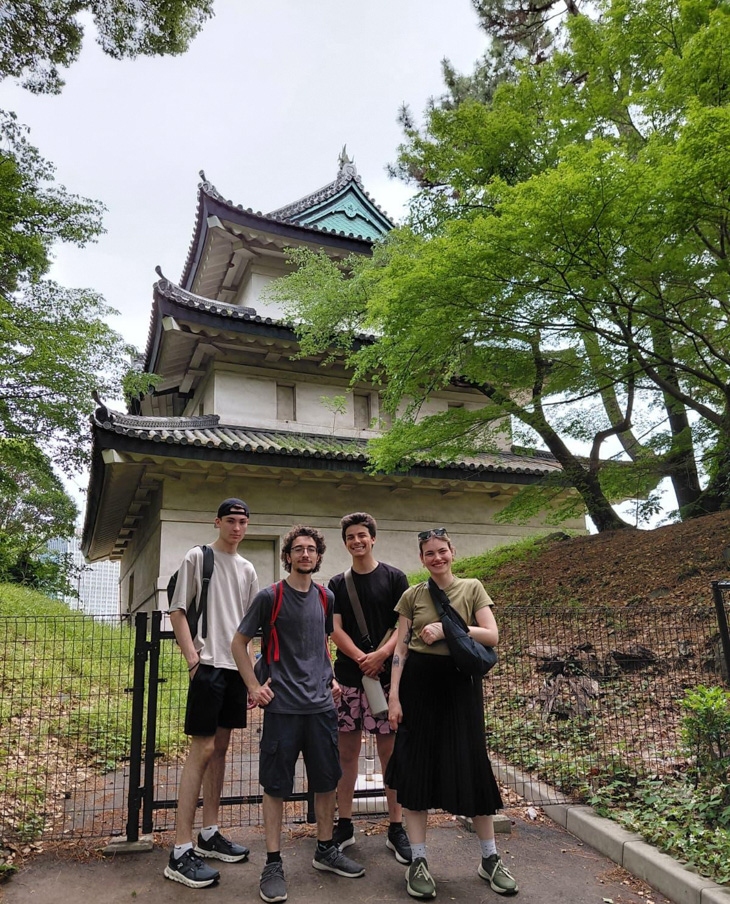
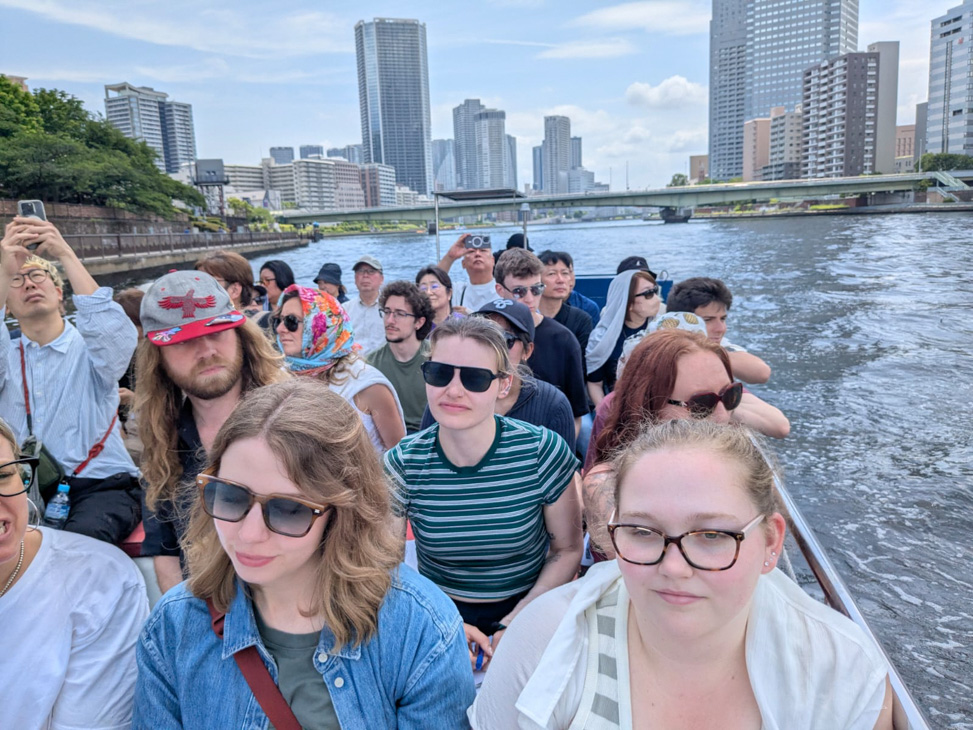
Students from SAIT's Architectural Technologies, Civil Engineering Technology and Bachelor of Science Construction Project Management programs explored Tokyo, Osaka and Naoshima Island, learning firsthand how culture, innovation and infrastructure shape the built environment.
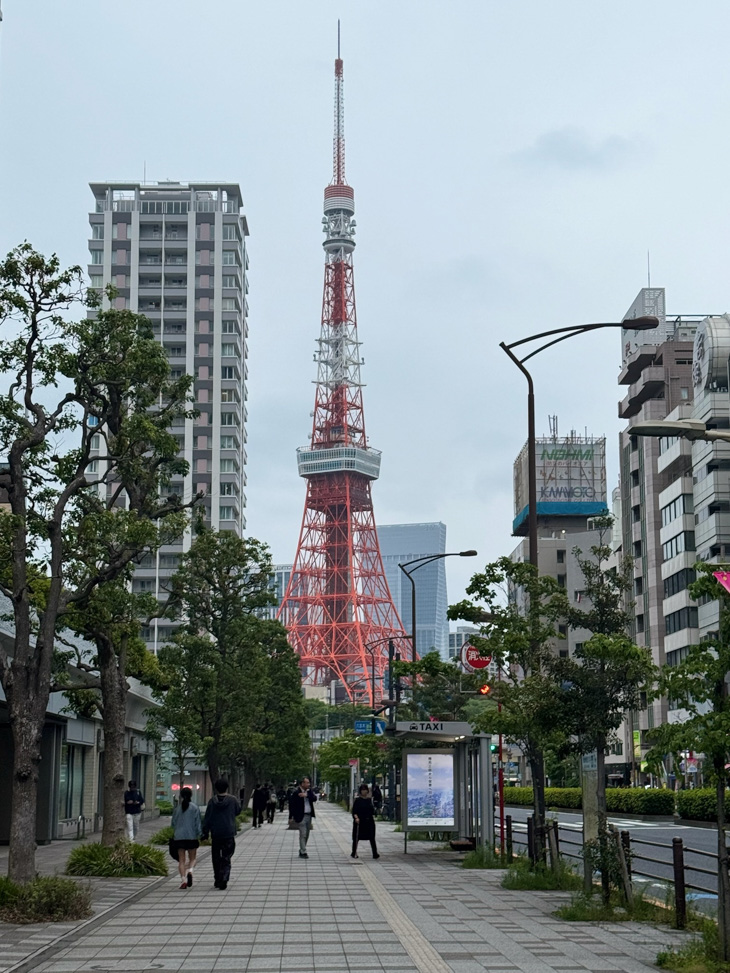
Through site visits, cultural excursions and collaborative learning, students experienced the seamless integration of architecture, engineering and urban planning that makes Japanese cities renowned worldwide.
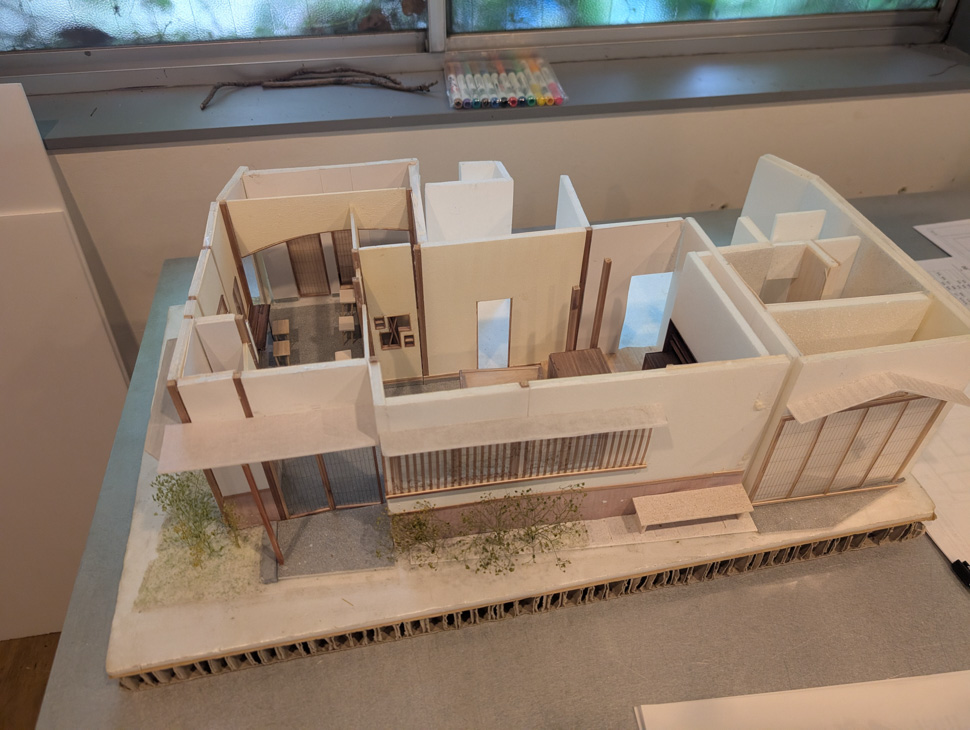
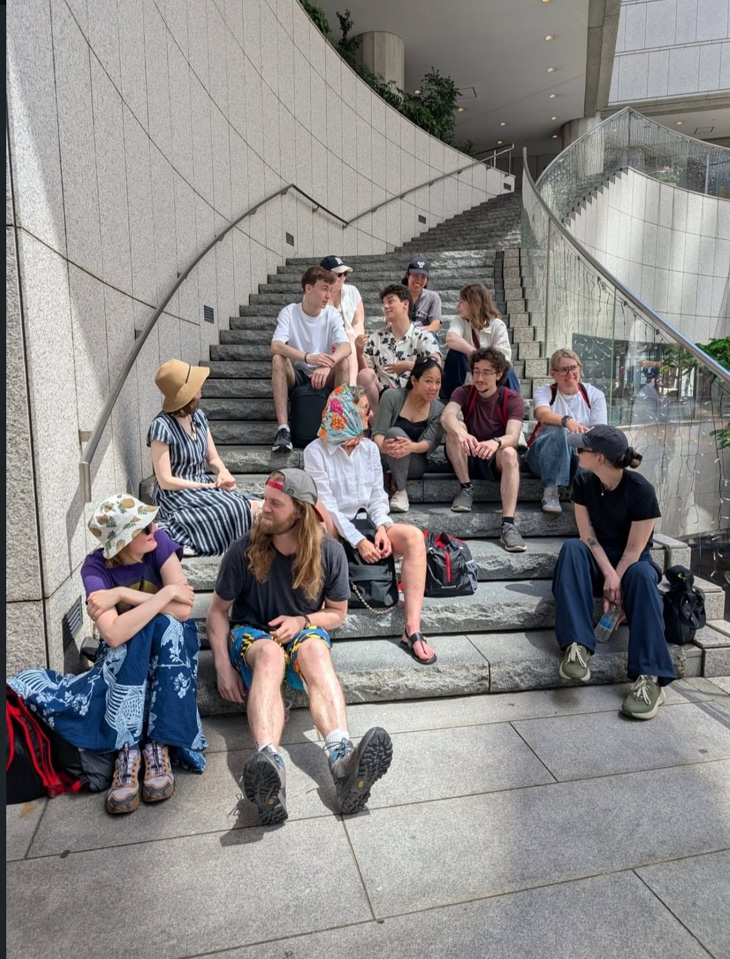
A lesson in intentional design
The trip brought classroom concepts to life and inspired students to think more broadly about the future of design, construction and sustainable communities.
Best of all, they gained global perspectives and industry insights that will shape their careers. Pretty solid souvenirs, we’d say.
For Architectural Technologies student Elissa Drayton, seeing how past and future seep into Japanese architecture has shifted the way she views things.
“I was amazed by how traditional architecture, historic temples and cultural traditions could exist alongside modern buildings and technology. It showed me that moving forward doesn't necessarily mean leaving the past behind,” she says.
“It gave me a different perspective on architecture and made me appreciate how much a country's history and culture can influence the way it develops.”
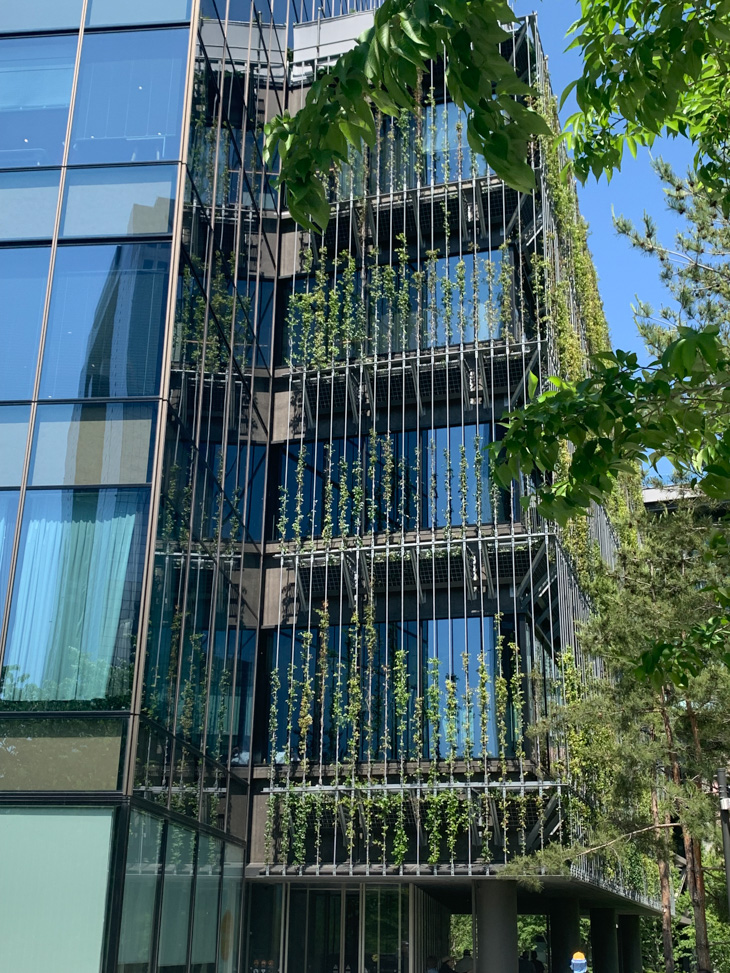
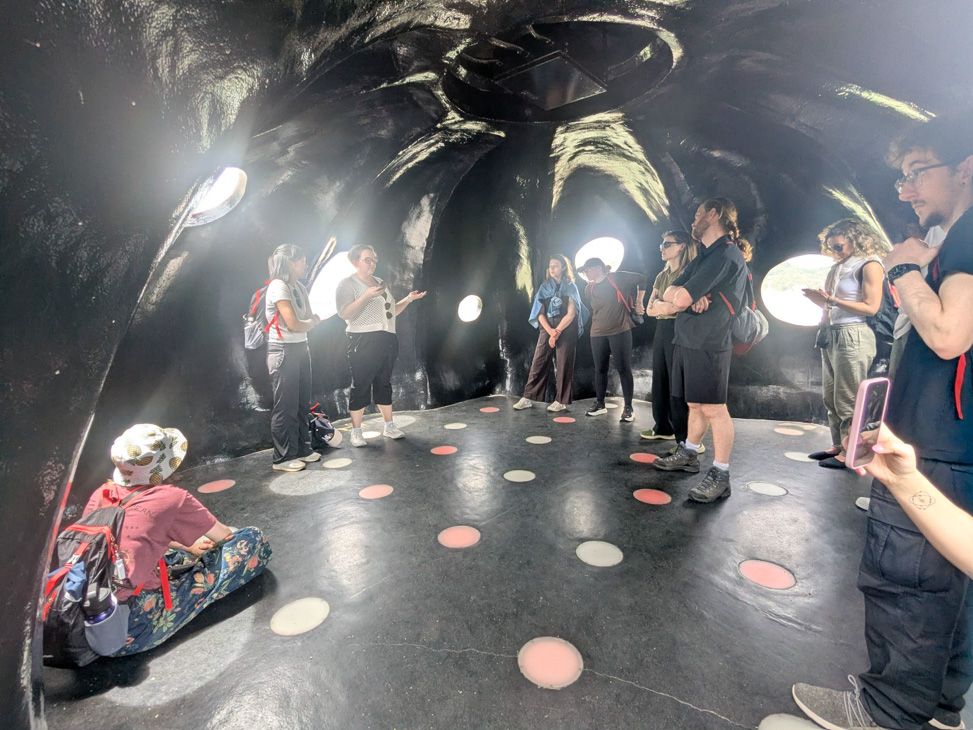
A highlight of the trip was participation in the Tokyo Architecture Festival, where students attended exhibitions, toured notable buildings, visited an architectural firm and received a customized tour at the impressive Embassy of Canada in Tokyo. They witnessed how thoughtful design and infrastructure work together to create vibrant, connected and people-focused communities.
“One of my biggest takeaways was seeing how thoughtfully Japan uses space, materials and movement,” says Bachelor of Science Construction Project Management student Emmett Geraldes.
“Even in crowded places, it rarely felt chaotic because everything seemed designed for how people actually use the space.”
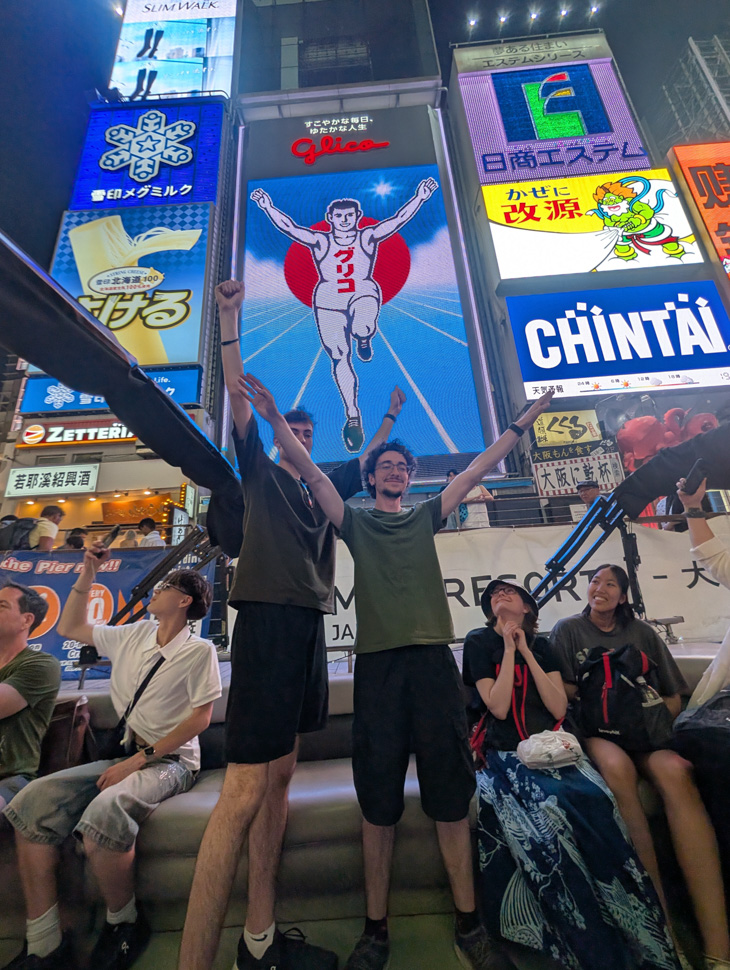
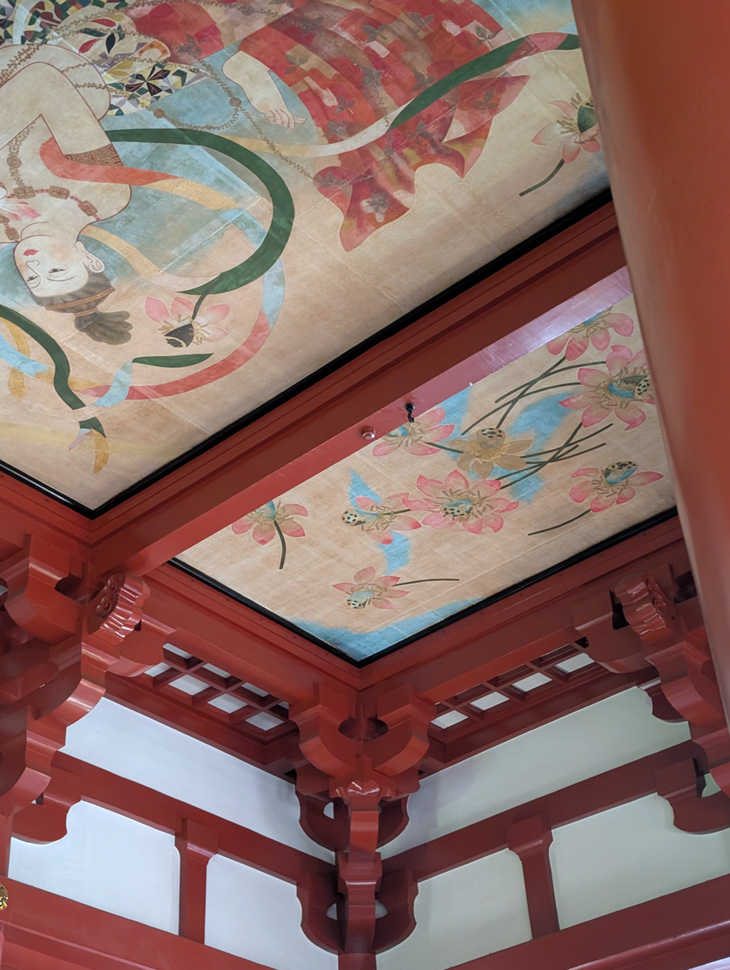
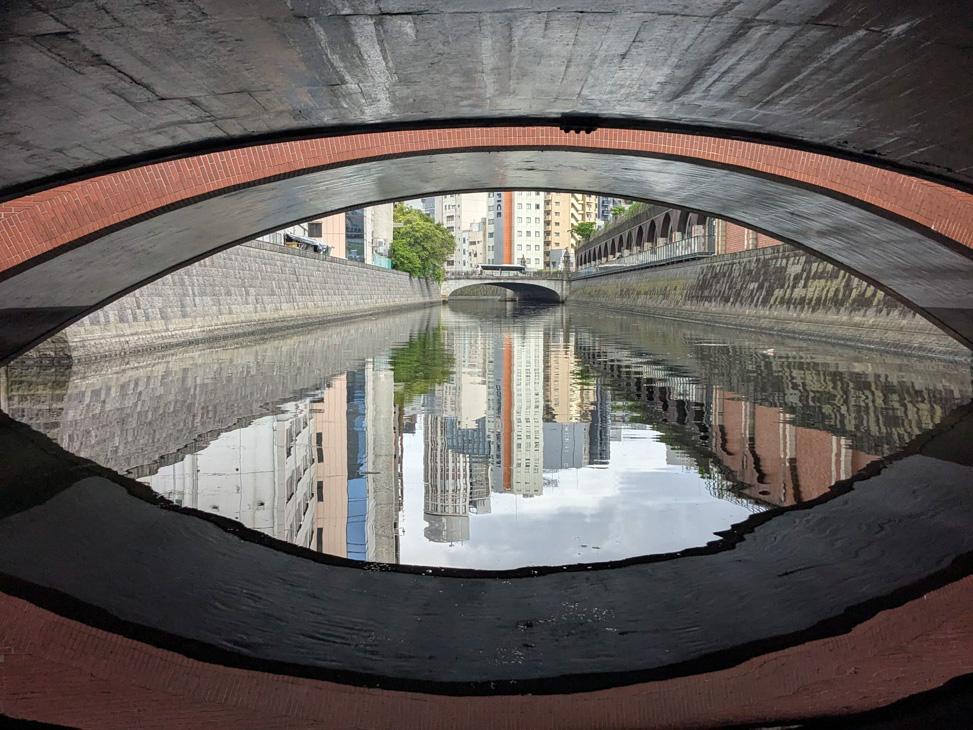
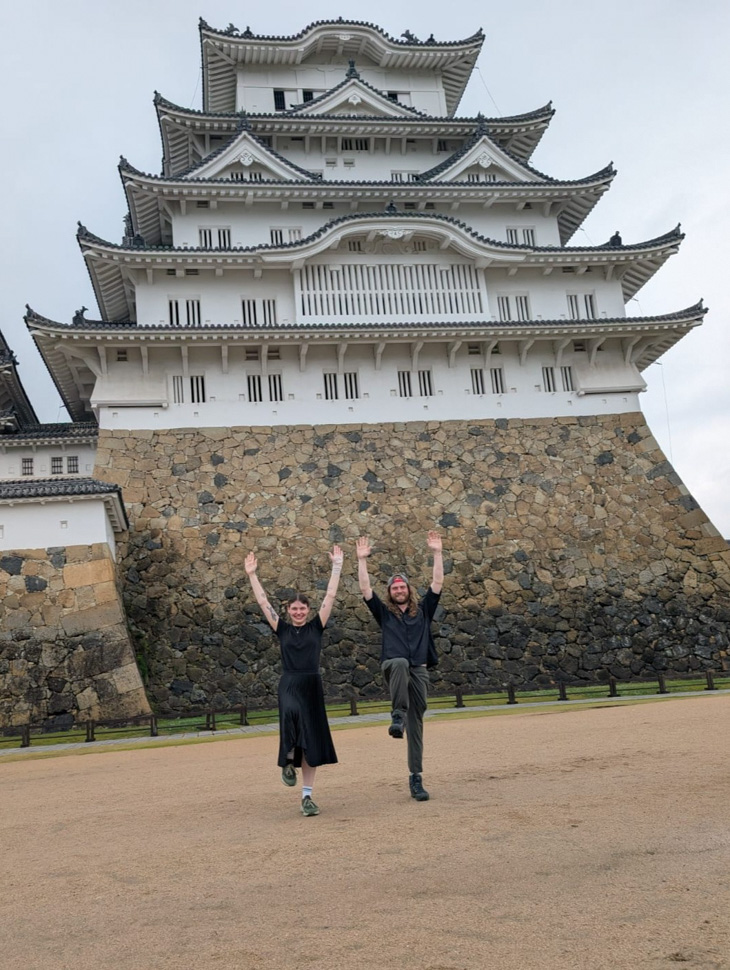
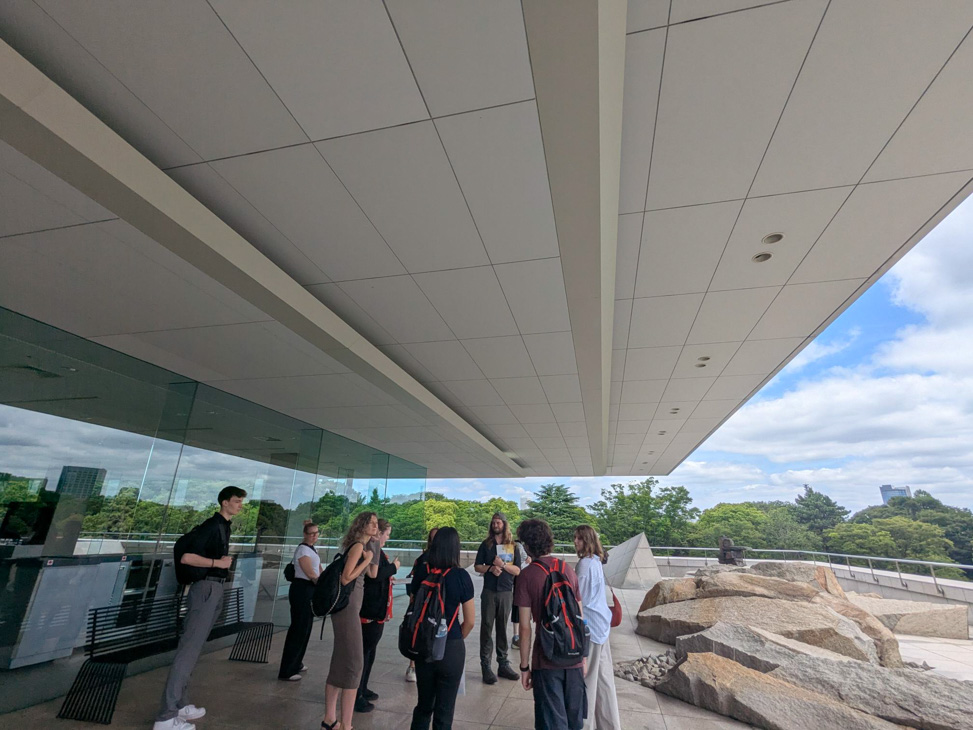
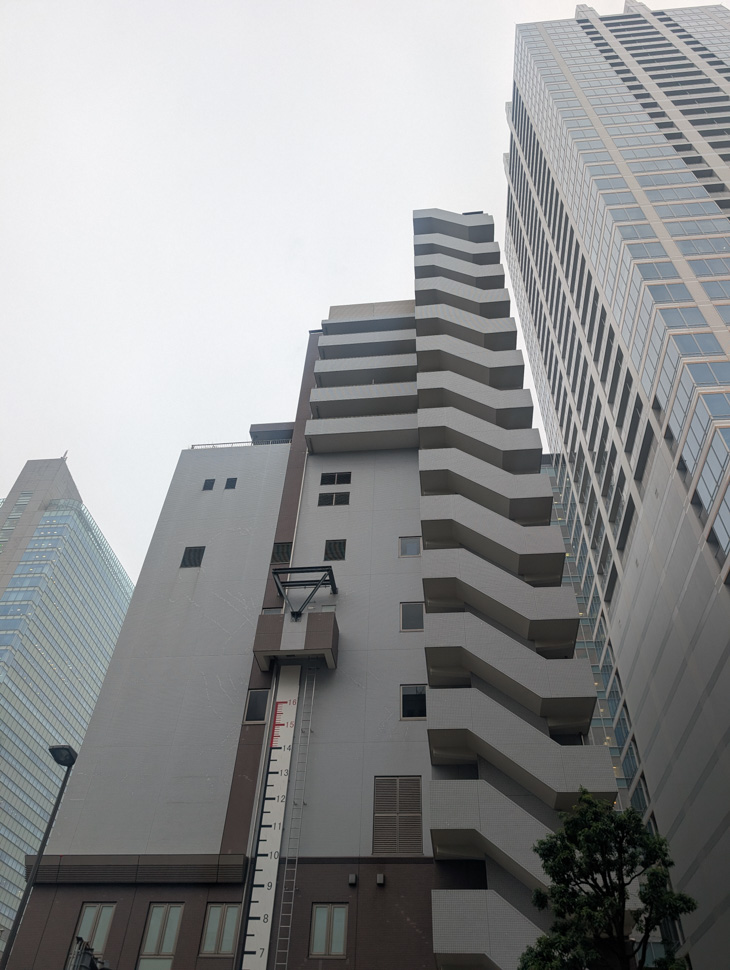
For Drayton and Geraldes, a favourite memory was biking through Naoshima Island to see the architecture, museums and art in a natural environment — sharply contrasting the busy urban environments of the Japanese cities they’d visited.
“I was especially impressed by how art and architecture are part of the island’s history, landscape and community,” says Geraldes.
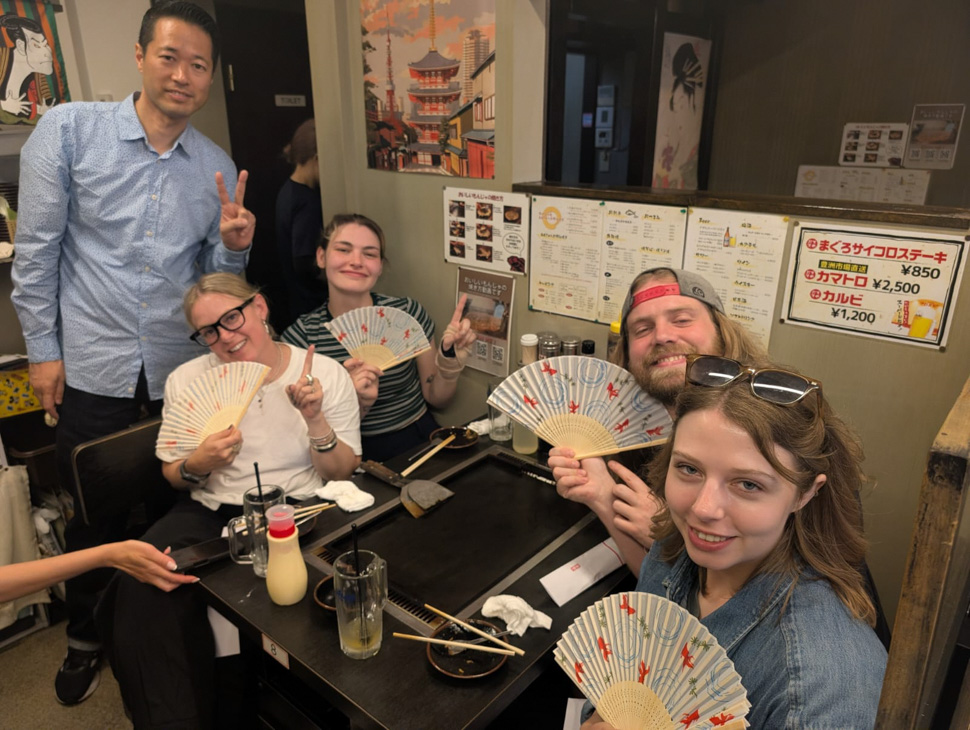
Students also used the trip to network and sharpen interpersonal skills, engaging with international industry experts and strengthening connections across SAIT's School of Construction. It’s an added benefit Geraldes knows will serve him well in his future career.
“The trip helped me build my people-management skills since I was always working, travelling and solving problems with people from different programs and backgrounds,” he says.
“I didn’t know anyone at first, but I came home having learned a lot about my industry, the world and other people.”
A passport to potential
If the opportunity to study abroad knocks, Drayton and Geraldes agree it’s well worth answering.
“I think other SAIT students should consider studying abroad because it changes the way you experience a place. You become more curious and gain a better understanding of the culture and everyday life,” says Drayton.
“For me, travelling to Japan wasn't just about seeing a new country — it was about experiencing it from a different perspective and learning things I wouldn't have learned by staying in a classroom.”
“Study Abroad gives you experiences tied to your education that you might not get if you travelled on your own,” says Geraldes.
“I wouldn’t trade the experience for anything.”
Study abroad with SAIT
Studying abroad provides you with a learning experience like no other. SAIT students can complete short-term study tours or semester-long exchanges.


Oki, Âba wathtech, Danit'ada, Tawnshi, Hello.
SAIT is located on the traditional territories of the Niitsitapi (Blackfoot) and the people of Treaty 7 which includes the Siksika, the Piikani, the Kainai, the Tsuut’ina and the Îyârhe Nakoda of Bearspaw, Chiniki and Goodstoney.
We are situated in an area the Blackfoot tribes traditionally called Moh’kinsstis, where the Bow River meets the Elbow River. We now call it the city of Calgary, which is also home to the Métis Nation of Alberta.