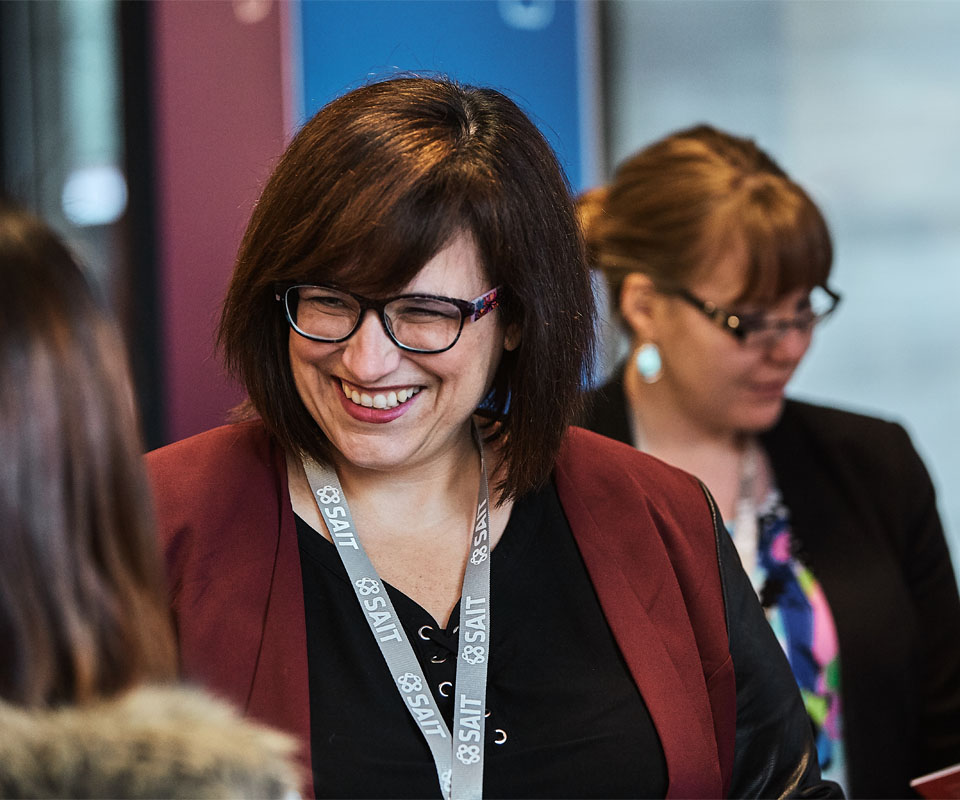
Through dedicated time, mentorship, collaboration, and a community of scholarly practice, Fellows move scholarly ideas forward from exploration to action and share their work with broader audiences.
Fellowship projects reflect the diversity of scholarly activity across SAIT and are connected to institutional and school priorities. Fellows are encouraged to pursue work that demonstrates an impact on students, contributes to knowledge or practice, and creates opportunities for collaboration and knowledge sharing within and beyond SAIT.
Throughout the Fellowship, participants build their scholarly capacity while developing projects that may lead to presentations, publications, educational resources, applied research, industry collaborations, or other forms of scholarship across SAIT.
The inaugural cohort Fellowship was a pilot initiative open to eligible SAIT faculty interested in developing their scholarly practice as emerging scholars. Details about the next initiative and application process will be shared as they become available.
Meet our 2025-27 fellows
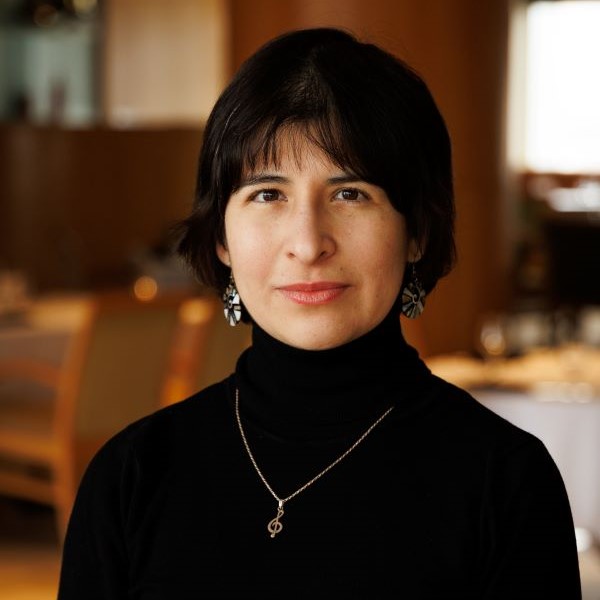
Dr. Luna Chavez, School of Hospitality & Tourism
Luna’s scholarly work focuses on tourism education, open education, and student scholarship, creating authentic opportunities for students to contribute to academic and public conversations. Her work aims to strengthen student scholarly capacity while supporting accessible and collaborative approaches to learning.
“My work focuses on creating meaningful opportunities for students to engage as contributors to scholarly and public conversations.
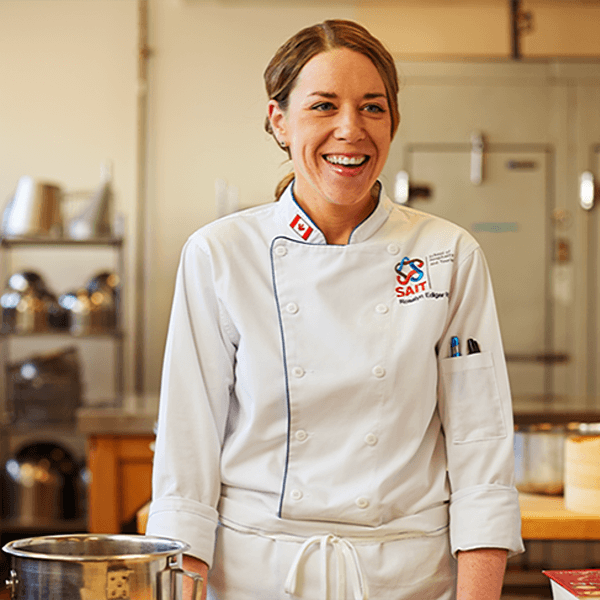
Rosalyn Ediger, School of Hospitality and Tourism
Rosalyn’s scholarly work focuses on culinary diplomacy, intercultural learning, applied scholarship, and food studies, exploring how food can foster cultural connection, communication, and relationship-building. Her work encourages students to think critically about food, identity, culture, and global perspective.
“Through culinary education, we can help students understand how food connects cultures, builds relationships, and creates meaningful change."
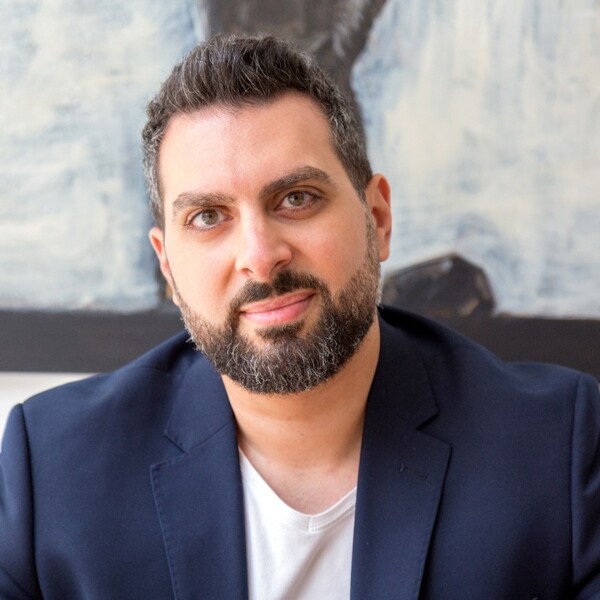
Rami Haddad, School of Business
Rami’s scholarly work focuses on generative AI, academic integrity, student agency, and assessment design, exploring how AI can be integrated into higher education in ways that strengthen meaningful learning. His work emphasizes transparent and reflective AI use while supporting critical thinking, human judgement, and ethical decision-making.
“My work explores how AI can be used to strengthen critical thinking, ethical decision-making, and meaningful learning rather than replace cognitive effort.”
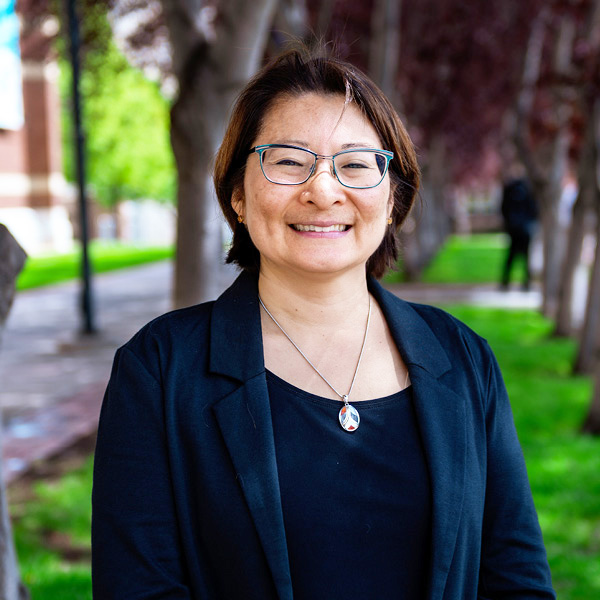
Joy Ishigo, School of Business
Joy’s scholarly work focuses on student success, playful pedagogies, peer coaching, and team development, exploring evidence-informed approaches that strengthen collaboration, growth mindset, workplace readiness, and meaningful student engagement.
“Collaborative scholarship strengthens both academic practice and professional growth while creating meaningful opportunities to support students.”
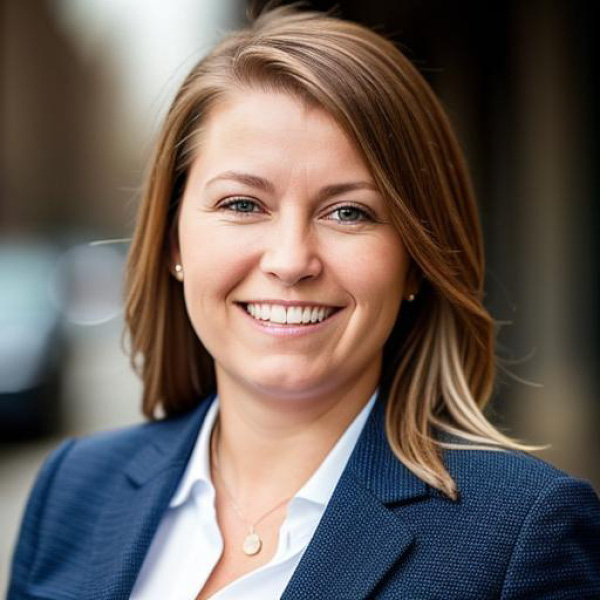
Dr. Charissa Lee, School of Business
Charissa’s scholarly work focuses on professional identity, the Scholarship of Teaching and Learning (SoTL), coaching pedagogy, and scholarly culture, exploring how students and educators develop through learning, experience, relationships, and participation in scholarly communities. Her work connects research and practice to strengthen meaningful learning and scholarly engagement.
“I am guided by a relational and collaborative approach that connects research, practice, and people in ways that support meaningful learning and scholarly growth.”

Tyler Nagel, School of Advanced Digital Technology
Tyler’s scholarly work focuses on rural journalism, community media, applied research, and student research, exploring how local information systems are sustained and adapted within rural, remote, and underserved communities. His work connects applied inquiry, student involvement, and community engagement.
“My work explores how local information systems are sustained, adapted, and experienced within rural and underserved communities.”

Lisa Palmer, School of Health and Public Safety
Lisa’s scholarly work focuses on equity and inclusion, gender diversity, sustainable education, and Early Childhood Education, exploring how curriculum and pedagogy can foster more inclusive, responsive, and socially conscious educational practices.
“My work explores how post-secondary education can foster more inclusive, socially responsive, and sustainability-focused learning environments.”
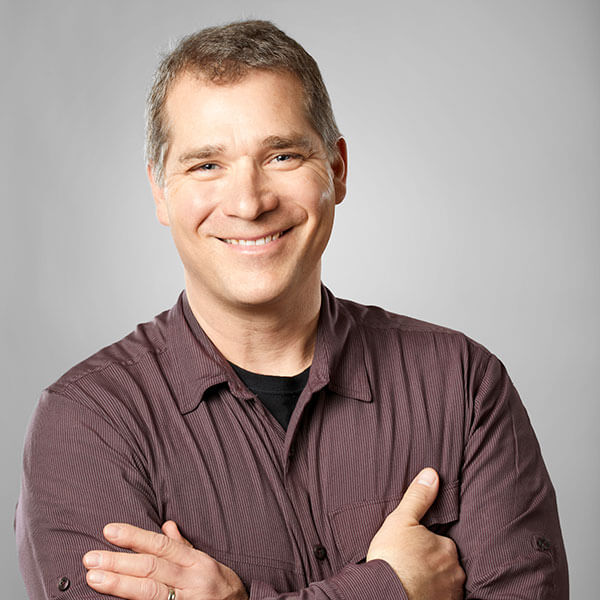
Dr. Colin Pattison, MacPhail School of Energy
Colin’s scholarly work focuses on environmental DNA, biodiversity monitoring, student research, and applied environmental research, leveraging advanced technologies to address real-world ecological challenges and create meaningful hands-on research experiences for students.
“My work demonstrates that high-quality, applied environmental research can thrive within a teaching-focused institution while creating meaningful student research experiences.”

Dr. Ibrahim Raheem, School of Business
Ibrahim’s scholarly work focuses on economics, financial markets, energy economics, and quantitative research, examining how finance, energy, policy, and sustainability influence economic stability, resilience, and sustainable transitions. His work also connects current scholarship with student learning and research engagement.
“My work seeks to generate research that informs policy discussions while preparing students to engage critically with complex global economic challenges.”
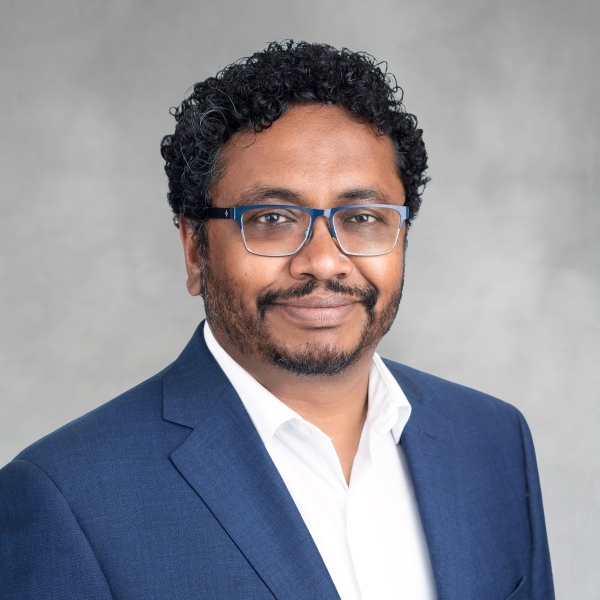
Dr. Lahiru Silva, School of Construction
Lahiru’s scholarly work focuses on applied research, industry partnerships, apprenticeship education, and construction workforce development, addressing workforce shortages and skills gaps through practical, industry-connected research while creating real-world research opportunities for students.
“My work bridges industry and academia to develop practical, evidence-based solutions that strengthen workforce development and student readiness within the construction sector.”

Reeta Suman, School of Advanced Digital Technology
Reeta’s scholarly work focuses on artificial intelligence, academic integrity, student partnership, and SoTL, exploring human-centred approaches to AI that support critical thinking, reflection, accountability, and ethical decision-making. Students are actively engaged in her work as co-researchers and co-authors.
“My work explores how AI can support critical thinking, accountability, and reflective learning while keeping students at the centre of the educational experiences.”
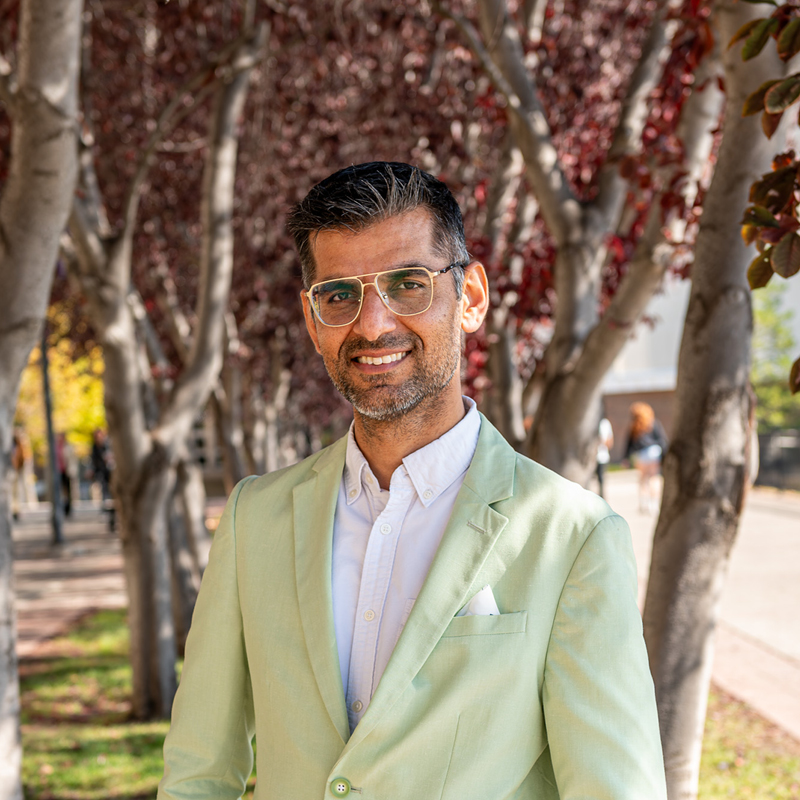
Prashant Taneja, School of Business
Prashant’s scholarly work focuses on artificial intelligence, organizational effectiveness, student partnership, and SoTL, exploring how AI and collaborative scholarship can support more inclusive, adaptable, and future-focused learning environments while strengthening workforce readiness and innovation.
“My work explores how AI and collaborative scholarship can support more inclusive, innovative, and future-focused learning environments.”
Explore our impact
Our impact report highlights the scholarly work, collaborations, and contributions of our Fellowship cohort. It captures how Fellows are advancing scholarship across SAIT while contributing to student learning, professional practice, institutional priorities, and broader scholarly communities.
Impact Report: July 2025–May 2026

Oki, Âba wathtech, Danit'ada, Tawnshi, Hello.
SAIT is located on the traditional territories of the Niitsitapi (Blackfoot) and the people of Treaty 7 which includes the Siksika, the Piikani, the Kainai, the Tsuut’ina and the Îyârhe Nakoda of Bearspaw, Chiniki and Goodstoney.
We are situated in an area the Blackfoot tribes traditionally called Moh’kinsstis, where the Bow River meets the Elbow River. We now call it the city of Calgary, which is also home to the Métis Nation of Alberta.